The Protein Myth No One Questions
article by Ancestral Nutrition
Protein has become the centrepiece of modern nutrition. Scroll through social media, walk into any supermarket, or glance at a café menu and you’ll see it everywhere... 'high protein,' 'extra protein,' 'protein-packed.' The message is clear: more protein equals better results, but what if that’s only part of the story?
For many people, simply increasing protein intake doesn’t always deliver the energy, strength, or overall wellbeing they expect, and that’s because protein intake is only one piece of a much bigger picture.
It’s Not Just About Hitting a Number
Daily protein targets have become increasingly popular. Whether it’s 80 grams, 120 grams, or more, the focus is often on reaching a specific number.
While protein is essential for building and maintaining muscle, supporting normal growth, and contributing to tissue repair, the body doesn’t just count grams, it relies on how well that protein is digested, absorbed, and utilised.
In other words, two diets with the same protein intake can produce very different outcomes depending on the quality and composition of the foods involved.
The Role of Digestibility
Before protein can be used by the body, it needs to be broken down into amino acids during digestion. This process depends on several factors, including stomach acid, digestive enzymes, and overall gut function. If digestion isn’t working optimally, some of the protein consumed may not be fully broken down or absorbed.
This isn’t about diagnosing or treating any condition, it’s simply a reminder that digestion plays a central role in how nutrients are used. Supporting normal digestive processes through balanced eating habits, mindful eating, and food variety can make a meaningful difference.
Protein Quality Matters
Not all protein sources are created equal, as they differ in their amino acid profiles which are the building blocks the body uses for various functions. Some foods provide a complete range of essential amino acids, while others may be lower in one or more.
Animal-derived foods such as meat, fish, eggs, and dairy are often considered 'complete' protein sources because they contain all the essential amino acids in proportions that align with human needs. Many plant foods can also contribute to protein intake, particularly when combined thoughtfully.
Rather than focusing solely on quantity, considering the variety and quality of protein sources in the diet can help support a more balanced nutrient intake.
Beyond Protein: The Nutrient Matrix
This is where the conversation often gets overlooked.
Whole foods don’t provide nutrients in isolation, they come as part of a complex matrix. Alongside protein, foods may also naturally contain vitamins and minerals that contribute to normal metabolic processes.
For example:
- Vitamin B12 contributes to normal energy metabolism
- Iron contributes to normal oxygen transport in the body
- Zinc contributes to normal protein synthesis
- Vitamin A contributes to normal immune system function
These nutrients work together in ways that isolated protein powders or highly processed foods may not fully replicate. That doesn’t make convenience products inherently 'bad,' but it highlights the value of including whole, nutrient-dense foods as part of a balanced approach.
The Convenience Trade-Off
Modern diets often prioritise convenience. Protein bars, shakes, and fortified snacks can make it easier to increase daily intake, especially for those with busy lifestyles. However, these options are typically designed to deliver protein in isolation, sometimes alongside added sugars, flavours, or other ingredients that may not contribute additional nutritional value.
Relying heavily on these products can mean missing out on the broader range of nutrients found in whole foods.
A practical approach is to use convenience products when needed, while still anchoring the diet in minimally processed, nutrient-rich foods where possible.
Rethinking the 'More Is Better' Mindset
It’s easy to assume that if some protein is good, more must be better, but the body has limits to how it uses nutrients at any given time. Consuming significantly more protein than needed doesn’t necessarily translate to greater benefits, particularly if other aspects of the diet are overlooked.
Instead of chasing ever-higher targets, a more balanced approach may include:
- Meeting appropriate protein needs for your lifestyle
- Including a variety of protein sources
- Supporting normal digestion through regular eating patterns
- Prioritising whole foods alongside convenience options
A More Complete Approach
Shifting the focus from 'how much protein?' to 'what kind of protein, and in what context?' can be a useful mindset change.
This doesn’t require a complete overhaul of your diet. Small adjustments like incorporating a wider range of whole foods or paying attention to how meals are structured can help support overall nutrient intake.
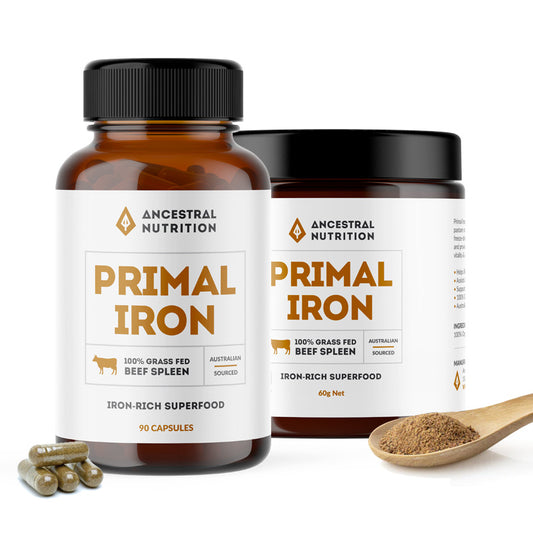
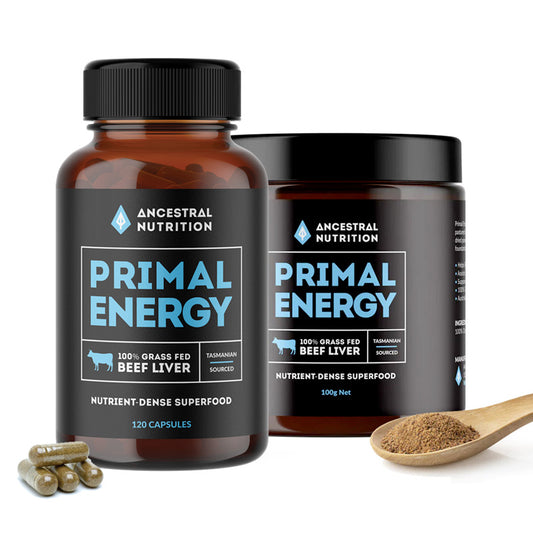
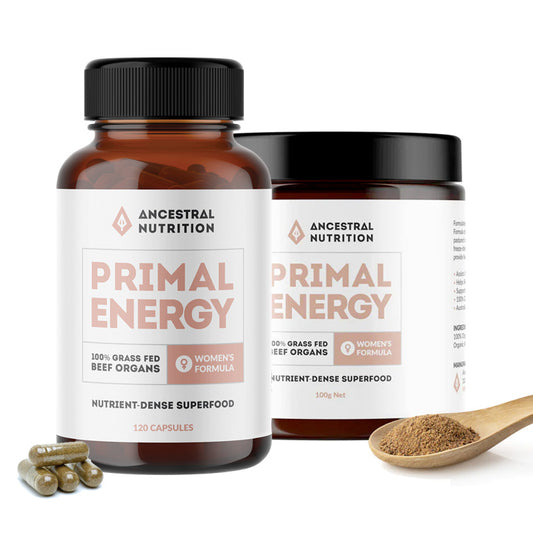
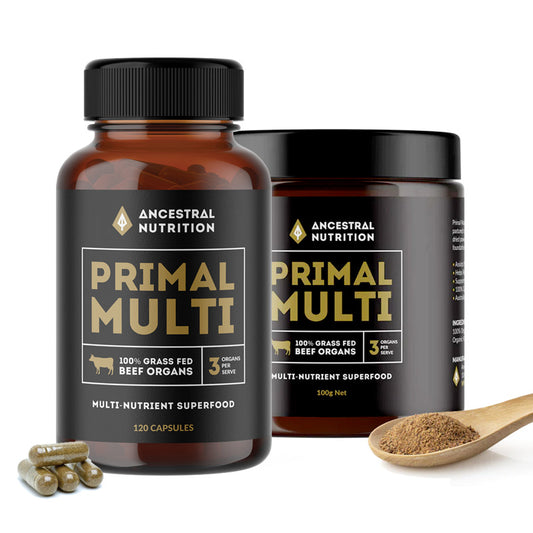
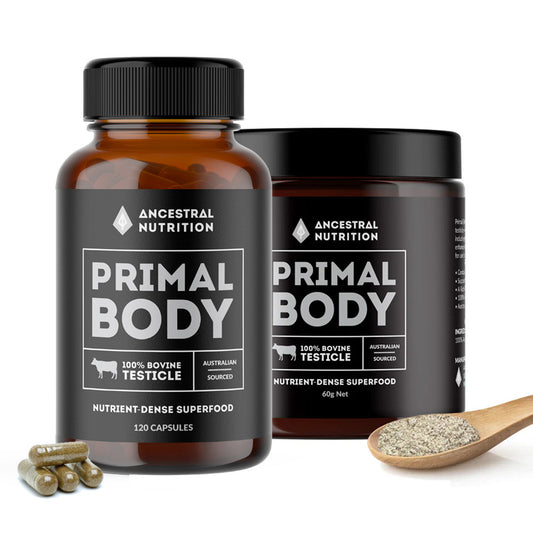
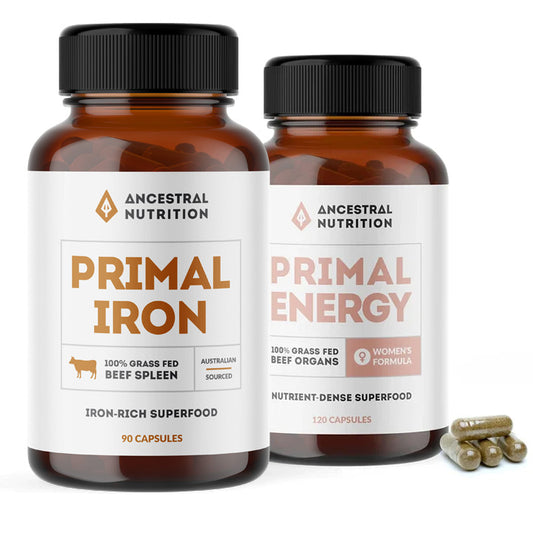
For those looking to simplify things further, some people choose to include whole-food based options that complement their diet. For example, foods traditionally valued for their nutrient density, such as organ meats, can provide protein alongside naturally occurring vitamins and minerals in a single serving.
Products like those offered by Ancestral Nutrition are designed to provide these types of foods in a convenient format, for individuals who may not regularly include them in their meals. These can be used as part of a varied and balanced diet, depending on personal preferences and dietary patterns.
The Takeaway
Protein is important, but it’s not just about quantity. Digestibility, amino acid composition, and the presence of other naturally occurring nutrients all influence how protein is used by the body.
By broadening the focus beyond grams per day and considering the overall quality of the diet, it’s possible to build a more balanced approach, one that supports not just protein intake, but total nutrient intake as well.
As always, individual needs can vary, and it’s worth considering what works best for your lifestyle, preferences, and overall dietary pattern.
*This information is for educational purposes only and is not intended to diagnose, treat, or cure any medical condition. Please consult your healthcare provider for personalised guidance, particularly if you have a diagnosed deficiency or are considering changing your supplement regimen.