Why Healthy People Are Still Tired
article by Ancestral Nutrition
Modern health culture has created an interesting contradiction. People have more access to nutrition information than ever before, yet many still feel flat, reliant on caffeine, or inconsistent in their day-to-day energy levels.
Today, people are more focused on wellness routines, exercise, sleep tracking, and 'healthy eating' than previous generations. Protein intake is carefully monitored, fitness apps track movement and recovery, and supermarket shelves are filled with products marketed toward health-conscious consumers.
Despite this, many people still feel like they are not functioning at their best.
This raises an important question: are modern diets providing the same nutritional depth that humans traditionally consumed?
The Difference Between Eating and Nourishment
Modern nutrition discussions often focus heavily on calories, protein targets, and macronutrients. While these are important, the body also relies on a broad range of vitamins, minerals, amino acids, and trace nutrients to support normal physiological function. This is where dietary quality and variety become important.
Many modern eating patterns are built around convenience and repetition. Meals are often selected because they are quick, affordable, easily accessed or marketed as healthy. While these foods may provide sufficient calories and protein, they do not always offer the same nutrient density as a diet built around a wide variety of minimally processed whole foods.
Historically, human diets included a broader range of animal foods, seafood, eggs, slow-cooked meats, and seasonal produce. Foods such as organs and bone broths were traditionally valued across many cultures because of their nutritional profile.
Today, many of these foods are eaten far less frequently.
Convenience Has Changed the Way We Eat
Modern food systems are designed around scalability, shelf life, taste, and convenience. This has created an abundance of highly processed products that are easy to consume but often lack the nutritional complexity of whole foods.
Even products marketed as 'high protein' or 'functional' may still rely heavily on isolated ingredients and fortification.
As a result, it is possible for people to consume adequate calories while still having a relatively narrow range of nutrients within their overall dietary pattern.
This does not mean every person experiencing tiredness has a nutrient deficiency, as many lifestyle factors can influence how someone feels, including sleep, stress, workload, exercise, and overall health.
However, it does highlight the importance of considering overall dietary quality and food variety rather than focusing exclusively on calories or macros alone.
Nutrients and Normal Energy Metabolism
A wide range of nutrients contribute to normal energy-yielding metabolism and general wellbeing including iron and vitamin B12, while magnesium supports normal muscle and nervous system function.
These nutrients are naturally found in a variety of whole foods, particularly animal foods such as red meat, seafood, eggs, and organ meats. This is one reason why many people are becoming more interested in nutrient density and traditional food sources as part of a balanced diet.
A Return to Simpler Nutrition Principles
In recent years, there has been growing interest in simpler, whole-food approaches to nutrition. Rather than relying entirely on heavily processed convenience foods, many people are choosing to prioritise minimally processed foods such as quality proteins, seafood, eggs, fruit, vegetables, and traditionally valued animal foods.
This shift is not about perfection or restrictive dieting. It is simply about recognising the value of dietary variety and nutrient density within modern lifestyles. For some people, this may also include incorporating organ meats, which have been consumed traditionally for generations.
A Practical Option for Modern Lifestyles
While organ meats have a long history of traditional use, many people do not regularly prepare or consume them today. Freeze-dried organ supplements have become a convenient option for those looking to incorporate these foods into their routine in a simple and practical way.
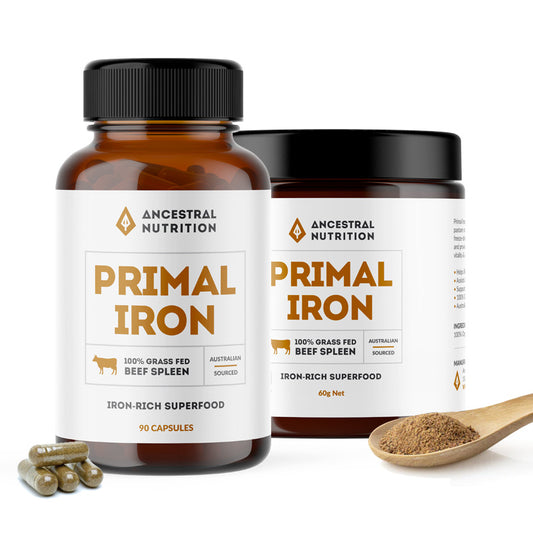
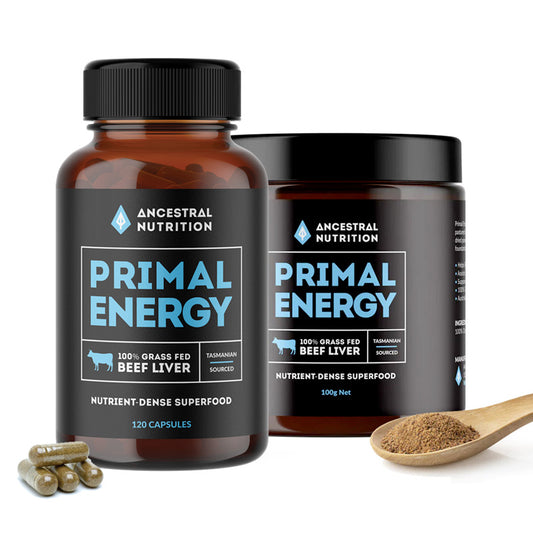
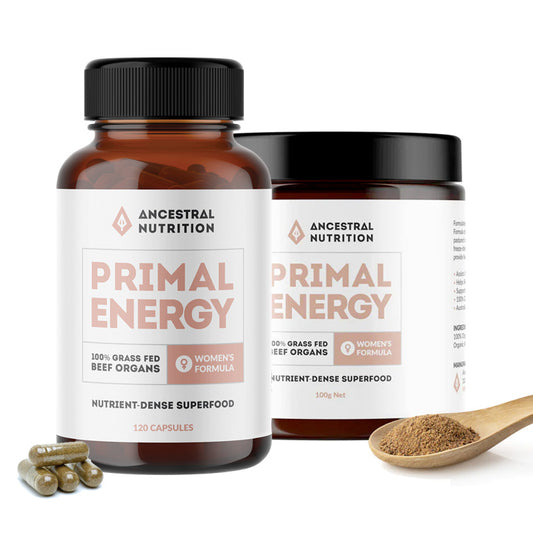
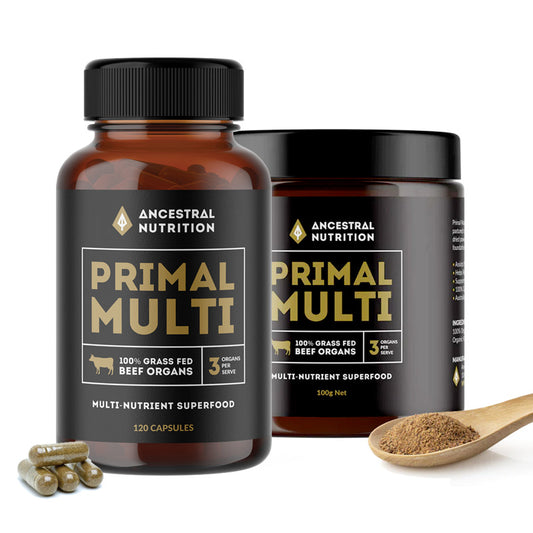
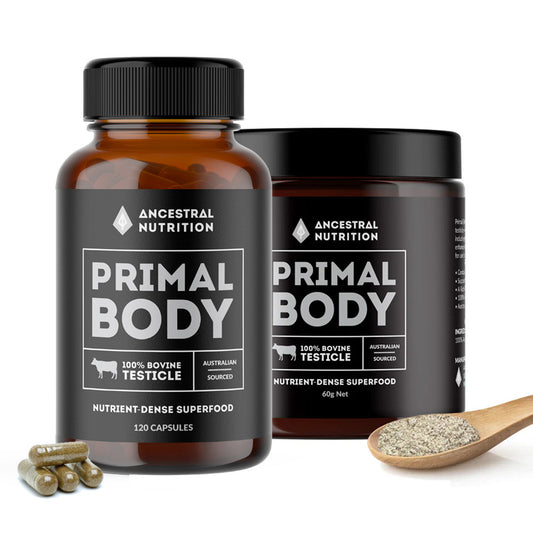
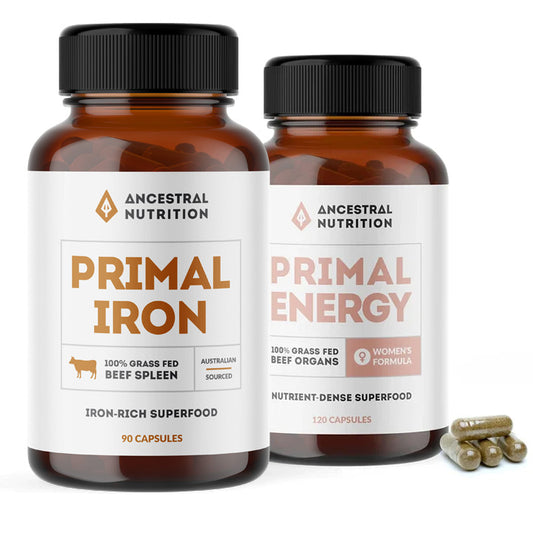
At Ancestral Nutrition, the focus is on freeze-dried beef organ products made from 100% grass-fed and grass-finished Australian cattle. Products including beef liver, spleen, heart, and kidney provide a convenient way to include traditionally valued whole foods as part of a balanced and varied diet.
Sometimes, better nutrition is not about chasing the latest trend. It is about returning to simple foods that have been valued for generations.
Disclaimer: This article is intended for general educational purposes only and is not medical advice. Individual nutritional needs vary. Always seek advice from a qualified healthcare professional regarding your personal dietary requirements. Ancestral Nutrition products should be consumed as part of a balanced and varied diet and healthy lifestyle.