Winter Is When Modern Diets Start To Fall Apart
article by Ancestral Nutrition
There is something about winter that exposes the weaknesses in modern health habits. During summer, healthy living often feels easier. The days are longer, motivation is higher, fresh foods are abundant, and people naturally spend more time outdoors moving their bodies and getting sunlight. Winter changes the equation...
Energy levels can feel lower, routines become less consistent, and convenience often starts replacing quality. Takeaway meals become more appealing, movement tends to decrease, and many people rely more heavily on caffeine, sugar, and highly processed comfort foods to get through colder days.
This seasonal shift is not unusual. In many ways, winter places greater demands on consistency, nourishment, and recovery. It is often the season where dietary quality matters most.
Modern Winter Nutrition Looks Very Different
Previous generations approached winter differently to how many people do today. Traditionally, winter eating centred around warming, nutrient-dense foods designed to sustain energy and support the body through colder months. Slow-cooked meats, soups, broths, seafood, root vegetables, eggs, stews, and preserved foods were common staples. Meals were often simpler, slower, and built around whole ingredients.
Today, winter nutrition often moves in the opposite direction. Busy schedules, shorter days, and convenience culture encourage a heavier reliance on packaged foods, takeaway meals, refined carbohydrates, snack foods, and ultra-processed 'health' products. Even many products marketed as healthy can still be highly refined and nutritionally narrow.
Protein bars, flavoured yoghurts, fortified cereals, meal replacement drinks, and low-fat convenience foods may fit modern wellness trends, but they do not always provide the same nutritional depth as minimally processed whole foods.
Winter Often Increases Reliance on Stimulants
One of the most noticeable winter patterns is the increased dependence on stimulation. As energy dips and mornings become darker, many people instinctively increase their intake of coffee, energy drinks, sugary snacks, or highly processed convenience foods.
While these may temporarily improve alertness, they do not necessarily support the foundations that influence how people feel day to day. Sleep quality, recovery, movement, sunlight exposure, hydration, stress management, and overall dietary quality all play important roles during winter. This is also the season where nutrient density becomes increasingly important.
Nutrient Density Matters More Than Ever
The body relies on a wide range of nutrients to support normal physiological function throughout the year. The body relies on nutrients such as iron, vitamin B12, and zinc to support normal energy, mental clarity, and everyday function.
These nutrients are naturally found in a variety of whole foods including red meat, seafood, eggs, and organ meats. Winter can be a valuable reminder that nutrition is about more than simply hitting calorie or protein targets. The overall quality and variety of foods consumed also matter.
This is one reason many people begin gravitating toward more traditional foods during colder months. Soups, stews, slow-cooked meals, broths, and warming animal-based foods tend to provide a level of nourishment and satiety that highly processed convenience foods often do not.
The Problem With “Quick Fix” Winter Nutrition
Modern wellness culture often responds to winter fatigue with more products, more stimulation, and more shortcuts. New supplements, energy drinks, powdered mixes, and convenience foods are constantly marketed as solutions for low energy and winter sluggishness.
However, many people may benefit more from returning to basic nutritional principles rather than chasing increasingly complicated wellness trends. Consistent sleep, movement, sunlight exposure where possible, hydration, and nutrient-dense whole foods remain foundational regardless of season. Winter may actually be one of the best opportunities to simplify nutrition rather than complicate it.
A Return to Warming Whole Foods
There is a reason humans have historically gravitated toward warming, nourishing meals during winter. Slow-cooked meats, mineral-rich broths, seafood, eggs, and traditionally valued animal foods naturally provide protein, fats, vitamins, and minerals in a highly satisfying form. These foods were staples long before modern convenience products existed.
This does not mean people need to eat perfectly or avoid all convenience foods entirely. It simply highlights the value of prioritising whole foods and dietary variety during a season where routines can easily drift.
Small changes often make the biggest difference:
- cooking more meals at home
- eating more warming whole foods
- reducing reliance on ultra-processed snacks
- prioritising recovery and sleep
- maintaining movement throughout winter
These fundamentals are not exciting enough to market aggressively, but they have stood the test of time.
A Practical Option for Modern Lifestyles
Of course, many traditionally valued foods are not eaten regularly anymore, particularly organ meats.
For people looking for a more convenient way to incorporate these foods into modern routines, freeze-dried organ supplements have become an increasingly popular option.
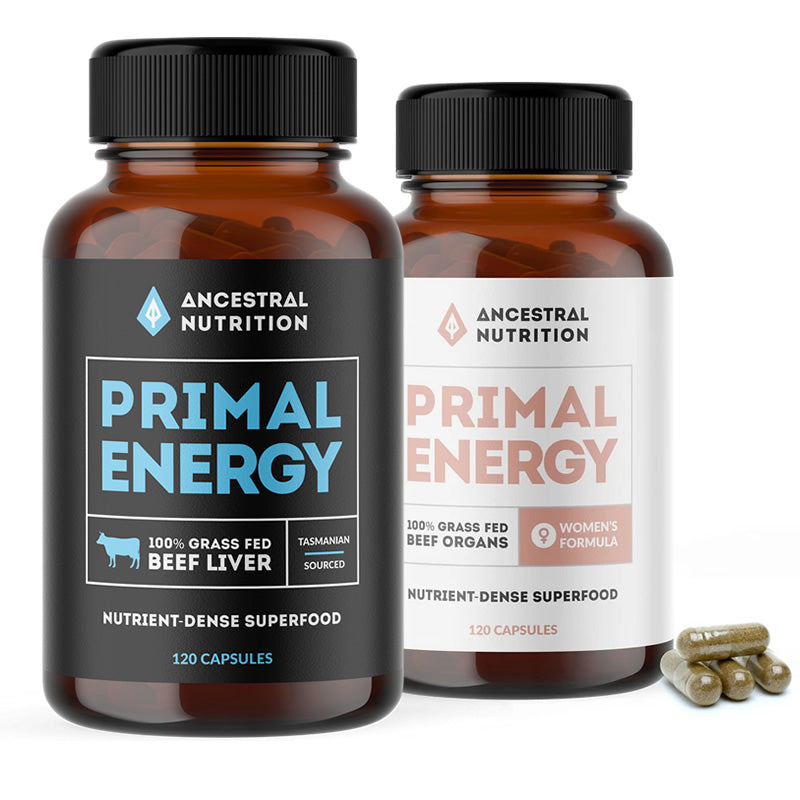
At Ancestral Nutrition the focus is on freeze-dried beef organ products made from 100% grass-fed and grass-finished Australian cattle. Products including beef liver, spleen, heart, and kidney provide a practical way to incorporate traditionally valued whole foods into a balanced and varied diet.
Sometimes winter is not the season for chasing more stimulation. It may simply be the season to return to the nutritional basics that humans have relied on for generations.
Disclaimer: This article is intended for general educational purposes only and is not medical advice. Individual nutritional needs vary. Always seek advice from a qualified healthcare professional regarding your personal dietary requirements. Ancestral Nutrition products should be consumed as part of a balanced and varied diet and healthy lifestyle.