What Are The Best Iron Rich Foods?
article by Ancestral Nutrition

Foods To Support Your Iron Levels
Eating a balanced and nutritious diet is the key to remaining healthy and avoiding a lot of nutrition-related illnesses. To maintain a balanced diet, we have to include macronutrients and micronutrients.
Macronutrients are the main food groups that the body needs in large quantities like proteins, fats, and carbohydrates. On the other hand, micronutrients are nutrients that the body needs in small amounts like minerals and vitamins. Among the most important minerals is iron.
It is important to ensure the proper functioning of hemoglobin. That is a protein your body needs to transport oxygen to all body parts through the blood. It also transports carbon dioxide from the body parts back to the lungs for exhalation.
The recommended daily allowance depends on our age and sex. Experts recommend the following intake levels for different people:
- Men over 19 years - 8 milligrams
- Women between 19 and 50 years - 18 milligrams
- Women over 51 years- 8milligrams
- Pregnant women - 27 milligrams
- Women who are exclusively breastfeeding - 10 milligrams
There are certain groups of people who need to take more of it than others, including:
- Pregnant women who need it in more volume to promote more blood flow to the baby and developing reproductive organs.
- Young children, especially those born premature or underweight.
- Adolescent girls need more of the mineral because of their rapid growth. They also need it because menstruation increases iron requirements.
- Frequent blood donors
- Individuals with compromised digestion or higher physiological demands
If our bodies do not absorb the required amounts of the mineral, we can fall short of our nutritional needs. This is one of the most common nutritional gaps worldwide. When iron levels drop too low, your body struggles to produce enough healthy red blood cells to carry oxygen effectively. Often, people don't realise their levels are low until they feel consistently drained and fatigued.
Signs of inadequate iron intake do not always show up immediately. When iron levels drop, you might simply feel consistently drained because not enough red blood cells are supported to carry oxygen effectively.
Some of the signs include:
- Fatigue
- Weakness
- Pale fingernails and skin
- Dizziness
- Headache
While suboptimal levels don’t cause a lot of problems, we could experience some of the following complications if we leave it unaddressed:
- Reduced cardiovascular endurance as the heart works harder to pump oxygen.
- Increased fatigue and longer recovery times during everyday activities.
- Lowered natural immune resilience.
There are different reasons why we can suffer from low iron levels including:
- Blood loss
- Lack of the mineral in our diet
- Pregnancy
- The inability of the body to absorb it
Iron Rich Foods
To support the levels of the mineral in our bodies, we need to eat foods that have it in higher amounts. We can have it as either heme or non-heme. We get heme from hemoglobin found in animal foods like red meat, poultry, and fish, while we get non-heme from plant-based foods.
Our bodies get the most levels of the mineral from heme sources. Our bodies absorb it mainly via the upper part of our small intestines. Some of the best iron rich foods we should always include in our diets to reduce fatigue include:
Beef spleen & organs
Meat from beef organs, also known as offal, is very nutritious and packed with the mineral iron. Some of the organs include the spleen, kidney, heart, tongue, and liver.
The mineral from these beef organs is bioavailable, which means that it is easily absorbed by our bodies better than when we get it from plants.
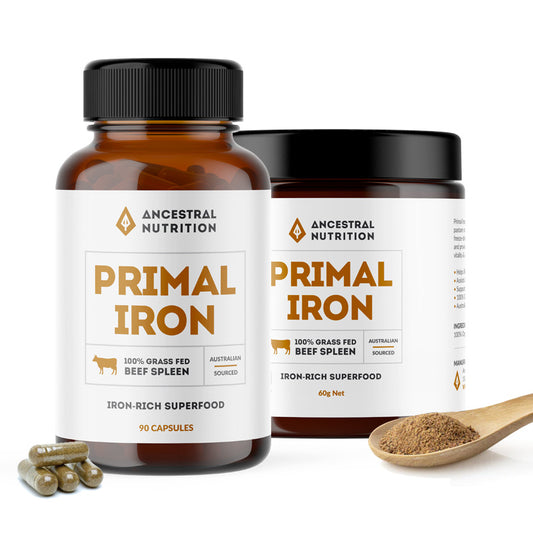
Beef spleen is one of the organs with the highest amount of iron, with a 2g serving of freeze dried spleen containing 11.5 milligrams. That represents 100% of the daily value.
Click here for organic freeze dried beef spleen
Red meat
Eating red meat not only supports our protein intake but also helps increase our levels of the blood-making mineral. A serving of 3.5 ounces of red meat will leave us feeling fuller for longer and provide us with 2.7 milligrams of the mineral, which represents 15% of the daily value.
Shellfish
Shellfish are not only tasty but also highly nutritious. While all of them have high amounts of the hemoglobin-making mineral, oysters, clams, and mussels are the ones with the highest amounts.
A 3.5 ounce serving of clams, for example, has up to 3 milligrams, which represents 17% of the recommended daily value.
Fish
There are a lot of different types of fish we can eat to support our levels of the hemoglobin mineral. A serving of 3 ounces or 85 grams of tuna has 1.4 milligrams of the mineral, which is around 8% of our recommended daily intake.
There are a lot of different types of fish we can eat to support our levels of the hemoglobin mineral. A serving of 3 ounces or 85 grams of tuna has 1.4 milligrams of the mineral, which is around 8% of our recommended daily intake.
Turkey
Turkey, especially dark turkey meat, is not only delicious but also a good source of the mineral. A serving of 3.5 ounces of turkey contains 1.4 milligrams, which is our recommended daily intake.
Turkey, especially dark turkey meat, is not only delicious but also a good source of the mineral. A serving of 3.5 ounces of turkey contains 1.4 milligrams, which is our recommended daily intake.
Iron-Rich Foods to Support a Balanced Diet
To support your overall wellbeing, including normal energy production and immune function, it's important to include iron-rich foods as part of a balanced, nutrient-dense diet. Iron comes in two forms:
- Heme iron from animal-based foods
- Non-heme iron from plant-based sources
Heme iron, found in red meat and organ meats like liver and spleen, is generally more easily absorbed by the body. For those who consume animal products, these foods can be valuable additions to a wholefood diet.
Animal-Based Iron Sources
- Beef liver, spleen, kidney, and heart
- Red meat (e.g. beef, lamb, kangaroo)
- Shellfish (e.g. oysters, clams, mussels)
- Fish (e.g. tuna, sardines, salmon)
- Dark poultry meat (e.g. turkey thighs)
Plant-Based Iron Sources
- Legumes (lentils, chickpeas, soybeans)
- Dark leafy greens (spinach, silverbeet)
- Tofu and tempeh
- Pumpkin seeds and quinoa
- Fortified cereals and wholegrains
Vitamin C helps support the absorption of iron from plant-based foods. Including foods like citrus fruits, kiwi, strawberries, and capsicum in your meals can enhance iron uptake.
Struggling to Eat Organ Meats?
Not everyone enjoys cooking or eating organ meats — even though they’re naturally rich in key nutrients like iron, vitamin A, and B12.
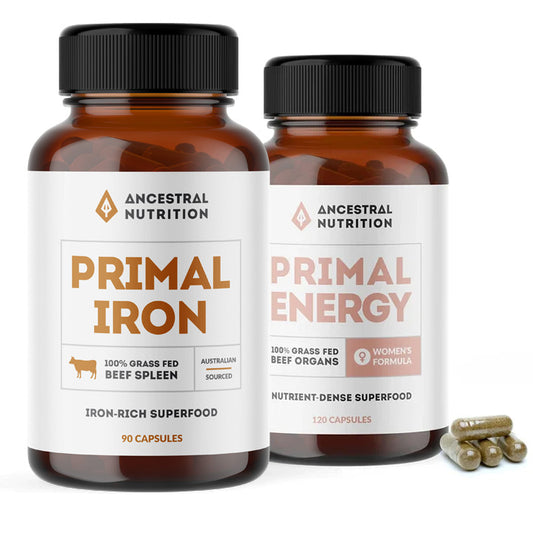
For those seeking a food-based option without the prep work, freeze-dried organ supplements offer a convenient way to include these nutrients in your daily routine. Our organ blends are made from 100% grass-fed Australian cattle and contain no added hormones, antibiotics, or fillers.
Always read the label and follow the directions for use. Nutritional supplements should not replace a balanced diet. Consult your healthcare professional for personalised advice.