6 Supplements Everyone Buys - And the Foods That Do the Same Job
article by Ancestral Nutrition
Walk down any high street or scroll through any wellness website and you’ll see the same supplements repeated again and again: omega-3, magnesium, vitamin C, iron, zinc, calcium. They’re marketed as essentials, non-negotiables for energy, immunity, skin, bones, and overall health.
But here’s the quieter truth: many of the most popular supplements exist largely because we’ve forgotten how nutritionally powerful real food can be.
This isn’t an argument against supplements altogether. They have a place. But for a large number of people, a well-chosen diet can already meet (or exceed) requirements for many of these nutrients, without a single capsule.
Let’s look at what that actually means in real-world terms.

1. Omega-3 (Heart & Brain Health)
RDI: ~250–500 mg of EPA + DHA per day
Omega-3 supplements are everywhere, often sold as something you must take daily to protect your heart and brain.
Yet one small tin of sardines provides roughly 1,000–1,500 mg of EPA and DHA, comfortably exceeding the commonly cited daily intake of ~500 mg.
Swap: Eating sardines twice a week can cover what many people supplement every day.
Note: You also get protein, vitamin D, selenium, calcium and iodine, nutrients fish oil capsules don’t provide in meaningful amounts.

2. Vitamin C (Immunity & Skin Health)
RDI: ~45 mg per day
Vitamin C is one of the easiest nutrients to replace with food.
Swap: A single large kiwi fruit delivers roughly 70 mg, or about 155% of the RDI.
One orange, half a red capsicum, or a handful of berries does the same job. For most people, inadequate intake of vitamin C isn’t a supplement problem, it’s a fruit and vegetable problem.

3. Magnesium (Muscle & Nervous System)
RDI: ~320–400mg per day
Magnesium supplements are popular, partly because modern diets are lower in magnesium-rich foods. But whole foods can still deliver.
Swap: About ½ cup of pumpkin seeds (60 g) provides roughly 380 mg of magnesium.
That’s not a garnish, it’s a purposeful serving, but it shows that magnesium doesn’t have to come from a pill.

4. Zinc (Immunity, Skin & Hormones)
RDI: ~8–14mg per day
If there is one nutrient with a true 'hero food,' zinc is it.
Swap: A serve of 3 oysters delivers roughly 15 mg of zinc.
No supplement competes with that density. This is why inadequate intake of zinc was rare in coastal and traditional diets that included shellfish. If you don’t like oysters, the closest real-food alternative for zinc (in terms of bioavailability and practicality) is red meat, especially beef or lamb.

5. Iron (Energy & Cognition)
RDI: ~8–18mg per day
Iron supplements are commonly prescribed, but heme iron from animal foods is absorbed far more efficiently than non-heme iron from plants.
Swap: One of the most iron-dense foods on the planet is beef spleen. A 100 g serving can provide 40–45 mg of iron.
This isn’t an argument to eat spleen daily. It’s a reminder of how powerful whole foods can be when used intentionally. If you don't want to eat fresh spleen or supplement with synthetic iron, freeze-dried beef spleen is the convenient alternative.

6. B-12 (Energy & Blood Cell Formation)
RDI: ~2.4 mcg per day
Synthetic vitamin B12 supplements are commonly used, but B12 from animal foods is naturally bound, highly bioavailable, and comes packaged with complementary nutrients that support absorption and use in the body.
Swap: One of the most B12-dense foods on the planet is beef liver. A 100 g serving can provide 60–80 mcg of vitamin B12.
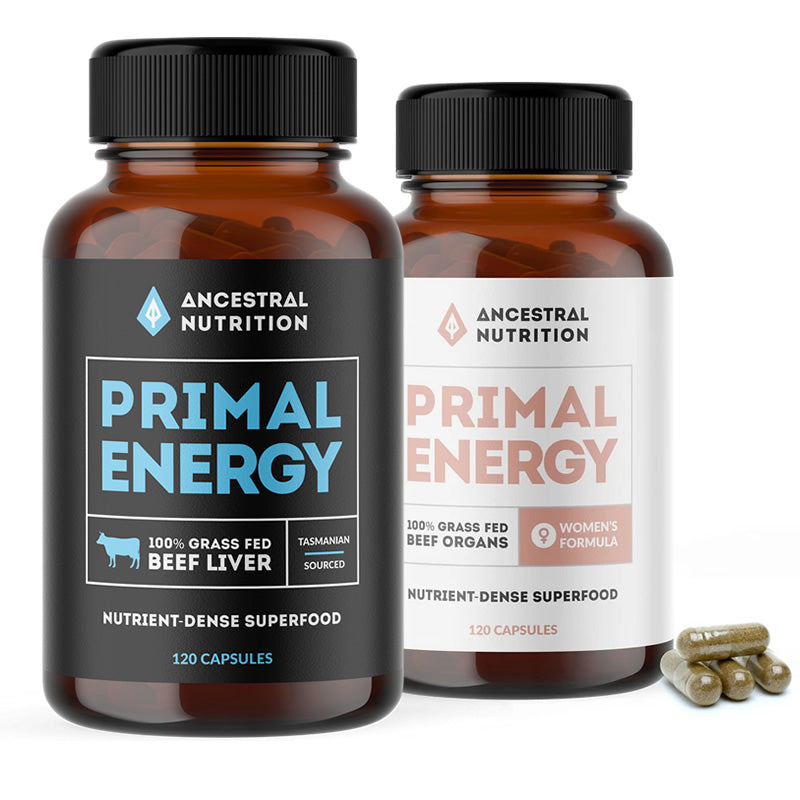
Liver is widely recognised for it's nutrient density but (like spleen) if you don’t want to eat fresh liver or rely on synthetic B12, freeze-dried beef liver offers a convenient whole-food alternative.
The Bigger Picture
When you step back, a pattern emerges.
Many supplements exist not because food can’t provide nutrients, but because:
- diets are narrow
- food quality has declined
- and convenience has replaced intentional eating
A diet that includes:
- sardines or other small oily fish
- oysters or shellfish
- eggs
- red meat or organs
- fruit, legumes, and seeds
… quietly replaces a large portion of the supplement aisle.
Final thought
Supplements are tools, but real food is still the most information-dense delivery system for nutrition we have. Before adding another capsule, it’s worth asking a simpler question: How close to real food is this?